Skip to content
Corduroy Labs
Studio · est. 2025
Agentic-first foundations

Build AI operations your team can actually use.

An AI Architecture Studio in Truckee, California. We build agent-first foundations on open systems for the people who run the work, the people who use it, and the agents that help them both.

⟶ Our practice

Most teams are not blocked by AI. They are blocked by operational drag.

AI agents need somewhere to work. They need inboxes, calendars, documents, customer records, escalation paths, routing policies, approval gates, and reliable context. Without that foundation, automation becomes another disconnected layer on top of an already messy business.

We build the foundation first. The practical systems that let people and agents share a workspace: structured intake, role accounts, CRM records, workflow automation, notifications, human approval points, and analytics-ready data capture.

The work is quiet and structural. It is what makes the agent useful to the operator, and the operator confident in the agent.

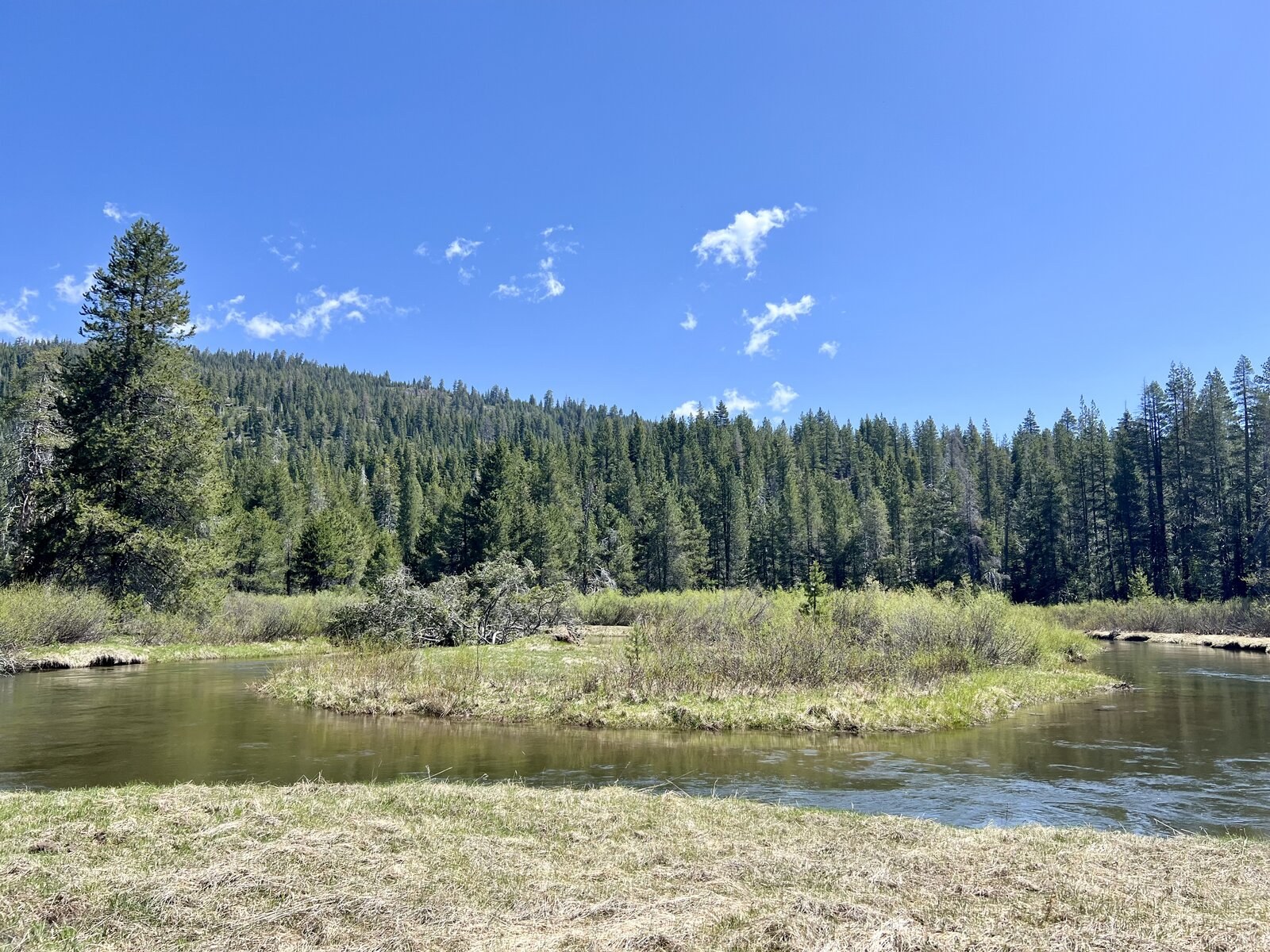
A clear Sierra meadow with a winding stream and forested ridges in the distance.
People
Operators + reviewers
The center of judgment
Agents
Classify · Draft · Verify
Working alongside the operator
Open systems
CRM · Knowledge · Workflow
Operator-controlled stack
Cloud
AWS · Azure · GCP
Reliable foundations
Solutions

Agentic business infrastructure, built with operator empathy.

Start with the workflow that is slowing you down. We turn it into a system your team and agents can actually use.

01 Practice

Agentic Operations Starter Kit

The practical foundation people and agents need to work in the same place: role inboxes, shared context, CRM records, routing, approvals, and escalation paths the operator can see.

  • + Role inboxes for people and agents
  • + Routed website and email intake
  • + Human-reviewed automation
  • + Operator visibility
02 Practice

Open Source Business Systems

Open is a working condition for us, not an ideology. We deploy and wire the open systems that give smaller organizations real control over their operating layer, and we recommend commercial tools where they are the better answer.

  • + CRM, workflow, and knowledge
  • + Self-hosted infrastructure
  • + Commercial tools where they fit
  • + Operator-controlled stack
03 Practice

AI Workflow Architecture

We map where agents should classify, summarize, draft, route, and recommend — and where a person stays in the loop. Each step is designed around the operator who has to live with the result.

  • + Agent responsibilities
  • + Prompt and policy design
  • + Approval gates designed for humans
  • + Verification before output
How we work

From scattered tools to a calmer operating rhythm.

We map how work enters the business, define the roles that own it, deploy the stack, wire the workflows, and instrument the signals. The result is a quieter day for the operator and a clearer place for the agent to help: leads, support, bookings, legal questions, and internal follow-up all have a place to go.

Work needs an address

Agents need inboxes, records, permissions, routing, and context before they can help.

Open where it matters

We use open systems when they give the operator control and adaptability. We use commercial tools when they are the better answer. Either way, the choice is yours.

Human review by design

Agents prepare, classify, summarize, and recommend. People own judgment and commitments.

Operator empathy

We have carried the bag, run platforms, and shipped systems. We design for the people who have to live with the result.

Start with the workflow that is slowing you down.

Bring us the messy intake process, overloaded inbox, manual handoff, open systems stack, or analytics gap. We will help you turn it into a system your people and your agents can actually use.